


Tungsten Carbide Rollers, Sleeves & Forming Rings Features
1. High Wear Resistance
Manufactured from tungsten carbide and metallic binders, these rollers resist abrasion and surface deterioration during repeated contact with metal materials. Their wear-resistant working surfaces help maintain dimensional consistency during continuous operation.
2. High Hardness and Compressive Strength
Cemented carbide provides high hardness and compressive strength, making it suitable for applications involving concentrated contact pressure and repeated loading. Different carbide grades can be selected to balance hardness and toughness.
3. Precision Dimensions
CNC machining and precision grinding control the roller's outside diameter, bore, width, roundness, and concentricity. Accurate dimensions help maintain stable contact and reduce uneven wear during operation.
4. Customized Roller Structures
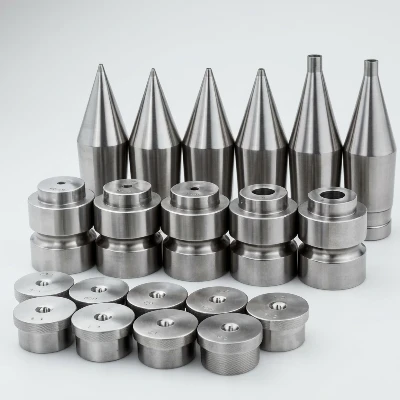
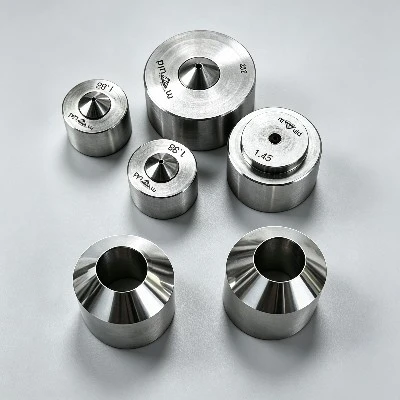
Tungsten carbide rollers can be manufactured as solid rollers, sleeves, rings, or customized inserts. Different surface profiles, grooves, and mounting structures are available according to equipment requirements.
Technical Specifications
The values are indicative reference ranges. Actual specifications depend on carbide grade, geometry, and operating conditions.
Main Applications
Types of Tungsten Carbide Rollers
Solid Tungsten Carbide Rollers
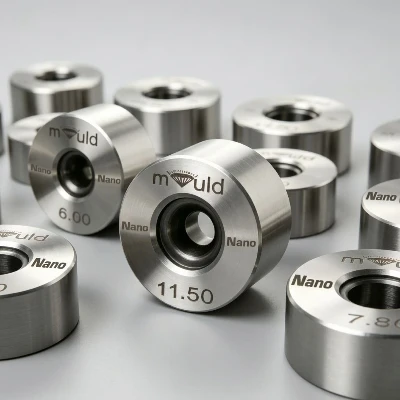
Solid carbide rollers are manufactured as integrated components. They are suitable for compact applications where the required dimensions and loading conditions allow a full-carbide structure.
Tungsten Carbide Roller Sleeves
Carbide roller sleeves are fitted onto steel shafts or supporting bodies. This structure combines the wear resistance of tungsten carbide with the structural support of a metal shaft. It can also simplify replacement when the working surface reaches its wear limit.
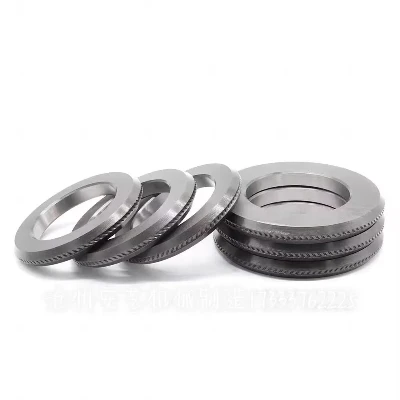
Tungsten Carbide Roller Rings
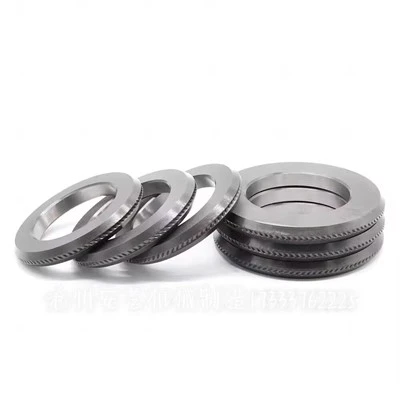
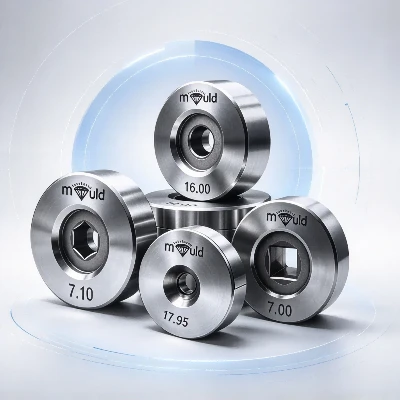
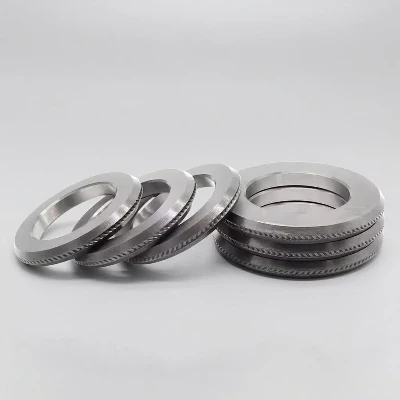
Carbide rings are annular components used in compatible rolling and forming equipment. Inner diameter, outer diameter, ring width, and working profile are customized according to the assembly design.
Grooved Carbide Rollers
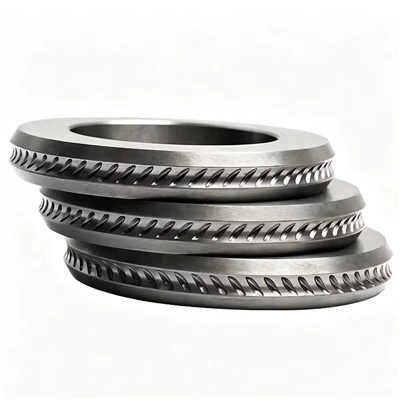
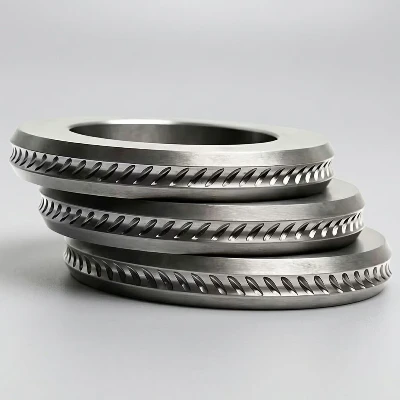
Grooved rollers feature machined surface channels or profiles for guiding and shaping wire, metal strips, and other materials. Groove dimensions and contours must match the workpiece geometry and production requirements.
Material Composition and Grade Selection
Tungsten carbide rollers are commonly produced from WC-Co cemented carbide. Tungsten carbide provides hardness and wear resistance, while cobalt acts as a binder that contributes to toughness and strength.
The performance of a carbide roller depends on several material factors:
Fine-grain grades are often considered for applications requiring high hardness and wear resistance. Grades with higher binder content may be preferred where greater toughness is needed. The correct selection depends on contact pressure, impact loading, workpiece material, and operating speed.
Manufacturing Process
Powder Preparation
Tungsten carbide powder and cobalt binder are selected according to the required material grade and performance targets.
Mixing and Compaction
The powder mixture is processed to achieve uniform composition and compacted into the required roller blank shape.
Sintering
Controlled sintering forms a dense cemented carbide structure. The process influences hardness, strength, density, and microstructural consistency.
Precision Grinding
The sintered blank is ground to the specified outside diameter, inner diameter, width, and working profile. Internal and external surfaces are finished according to the drawing requirements.
Final Inspection
Inspection may include hardness testing, dimensional measurement, roundness, concentricity, surface roughness, and visual checks for cracks or defects.
Tungsten Carbide Rollers vs. Steel Rollers
Tungsten carbide is a suitable option when abrasive wear and dimensional deterioration are major production concerns. Steel rollers may be more appropriate when impact loading, bending stress, or lower initial tooling cost is the primary consideration.
Advantages of Customized Carbide Rollers
- Wear-Resistant Working Surface: Helps reduce surface deterioration under repeated contact.
- Customized Carbide Grades: WC grain size and binder content can be selected according to operating conditions.
- Precision Grinding: Controls roller diameter, bore dimensions, roundness, and concentricity.
- Flexible Structures: Supports solid rollers, carbide sleeves, rings, and grooved configurations.
- Drawing-Based Production: Dimensions and profiles can be customized using drawings or existing samples.
Custom Tungsten Carbide Roller Manufacturing
We manufacture tungsten carbide rollers according to customer drawings, samples, and equipment requirements. Custom options include carbide grade, outer diameter, inner diameter, width, groove geometry, and surface finish.
Hot Tags: tungsten carbide rollers, China tungsten carbide rollers manufacturers, suppliers, factory, Carbide Wire Rolling Rolls, grooved carbide rolls, roll forming carbide rolls, tungsten carbide rolls, tungsten carbide rolls for rolling mills, Tungsten Carbide Wire Rolling Rolls