Key Specifications
|
Parameter |
Importance |
|
Wire material |
Determines rolling load and carbide grade |
|
Incoming wire size |
Defines reduction requirements |
|
Finished wire size |
Determines groove geometry |
|
Groove profile |
Controls final wire shape |
|
Roll diameter |
Matches machine configuration |
|
Groove radius |
Affects wire profile |
|
Number of passes |
Determines reduction sequence |
|
Rolling speed |
Influences heat and wear |
|
Surface finish |
Affects wire surface quality |
|
Mounting dimensions |
Ensures equipment compatibility |
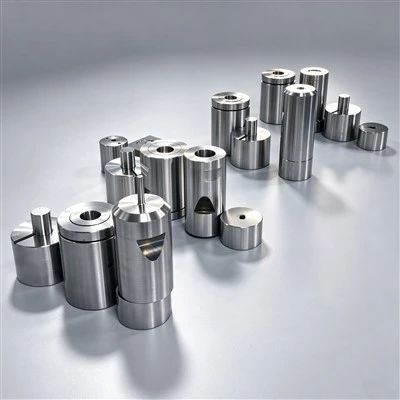
They are rotating tooling components with one or more precision-machined grooves or profiles.
During production, wire passes between rotating rolls. The rolls apply compressive force to reduce the wire cross-section or form it into a specified profile.
Compared with wire drawing, rolling changes the wire shape through compressive deformation between rotating surfaces.
Typical applications include:
- Copper wire
- Aluminum wire
- Steel wire
- Stainless steel wire
- Flat wire
- Rectangular wire
- Shaped wire
Tungsten Carbide Working Surface
The carbide working surface provides high hardness and wear resistance for repeated wire-contact applications.
Precision Groove Geometry
The groove profile determines the final wire shape and dimensions. It can be manufactured for round, flat, rectangular, or custom-shaped wire.
Controlled Wire Reduction
Multiple rolling passes can be used to progressively reduce the cross-section while controlling the final profile.
Custom Roll Design
Roll diameter, groove dimensions, groove radius, roll width, and mounting dimensions can be manufactured according to the customer's equipment.
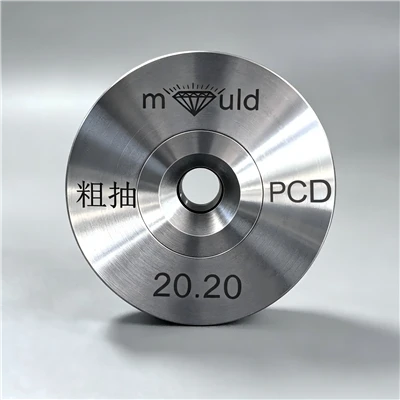
Carbide Wire Rolling Roll Structure
A typical roll includes:
Carbide working ring
Rolling groove
Roll body
Mounting bore
Side faces
Reference surfaces
For carbide rolls with a separate carbide ring, the carbide working section is supported by a steel body to provide the required mechanical support during operation.

Applications
- Copper wire rolling
- Aluminum wire rolling
- Steel wire rolling
- Flat wire production
- Rectangular wire production
- Shaped wire production
- Precision wire sizing
- Multi-pass wire rolling
They can be used in electrical conductor production and other metal wire forming processes where controlled cross-sectional dimensions are required.
FAQ
Q: What are Carbide Wire Rolling Rolls?
A: They are tungsten carbide-based rolling components used to reduce or shape metal wire through rotating compressive forces.
Q: What wire materials can be processed?
A: Depending on the roll design and carbide grade, they can be used for copper, aluminum, steel, stainless steel and other metal wires.
Q: Can carbide rolling rolls produce flat wire?
A: Yes. Groove geometry can be designed for flat, rectangular and other shaped wire profiles.
Q: Why use tungsten carbide for wire rolling rolls?
A: Tungsten carbide provides high hardness and wear resistance, helping the groove maintain its geometry during repeated wire-rolling operations.
Q: Can the rolls be customized?
A: Yes. Roll diameter, groove profile, groove radius, bore dimensions and other specifications can be manufactured according to the rolling machine and wire requirements.
Hot Tags: carbide wire rolling rolls, China carbide wire rolling rolls manufacturers, suppliers, factory