


Carbide Tooling Solutions for Metal Forming
Tooling Solutions for Wire Drawing, Profile Forming and Metal Processing
Since 1962, Hejian Strains Of Hard Alloy Mould Co., Ltd. has manufactured carbide dies and industrial tooling for metal processing applications. With a 4,000 m² manufacturing facility, 280 employees, and more than 500 product varieties across 30 categories, we support manufacturers seeking tooling for different materials, component geometries, and production processes.
In metalworking, tooling performance affects more than die replacement frequency. Die geometry, wear resistance, dimensional stability, and compatibility with production equipment can influence finished-part quality, process consistency, downtime, and overall manufacturing costs.
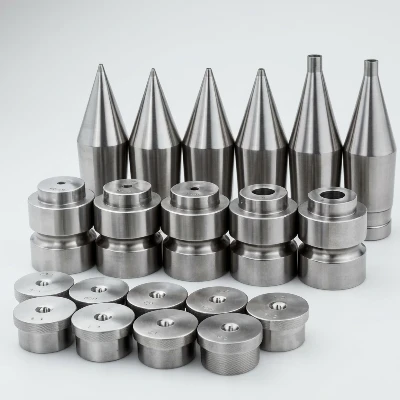
Our solutions focus on matching carbide tooling to the actual production process. Whether you manufacture drawn wire, shaped metal profiles, extruded components, nails, or cold-headed parts, we work from your application requirements to identify the relevant tooling type and technical specifications.
From tooling selection to application-specific die requirements, we help manufacturers evaluate carbide tooling for their production processes.
Tooling Solutions for Different Production Challenges
Different manufacturing processes place different demands on dies and forming tools. The right solution starts with understanding the workpiece, production method, equipment, and required finished dimensions.
Wire Drawing and Dimensional Consistency
Challenge:
Maintaining the required wire diameter, surface finish, and dimensional consistency during continuous drawing production.
Wire drawing performance depends on the incoming wire condition, reduction ratio, die geometry, carbide grade, lubrication, and drawing speed. A mismatch between tooling specifications and operating conditions may contribute to excessive wear, dimensional variation, or surface defects.
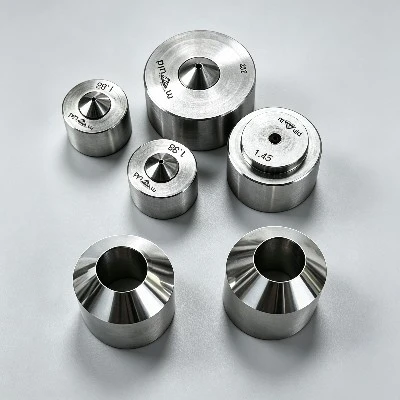
Our wire drawing tooling solutions are intended to support manufacturers in selecting dies according to wire material, starting diameter, target diameter, and production requirements.
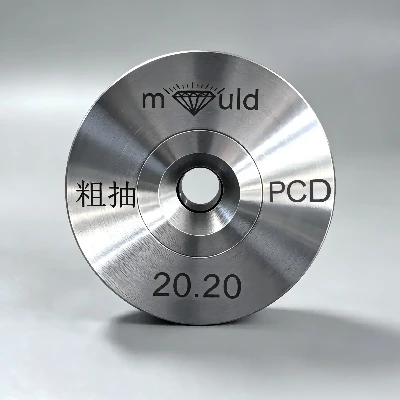
Relevant tooling: Wire Drawing Dies.
Shaped Wire and Profile Accuracy
Challenge:
Producing non-round wire profiles with defined dimensions, corners, and cross-sectional geometry.
Square, rectangular, hexagonal, and other shaped profiles require tooling designed around the finished cross-section and material deformation during drawing. Profile geometry, corner radii, drawing sequence, and dimensional tolerances must be considered together.
We evaluate shaped die requirements based on technical drawings, material specifications, incoming dimensions, and target profile dimensions.
Relevant tooling: Shaped Wire Drawing Dies.
Metal Extrusion and Profile Formation
Challenge:
Forming metal into a specified cross-section while managing material flow, dimensional requirements, and tooling wear.
Extrusion tooling must match the material, forming method, die geometry, and process conditions. An unsuitable design may affect material flow, finished profile dimensions, or tool service life.
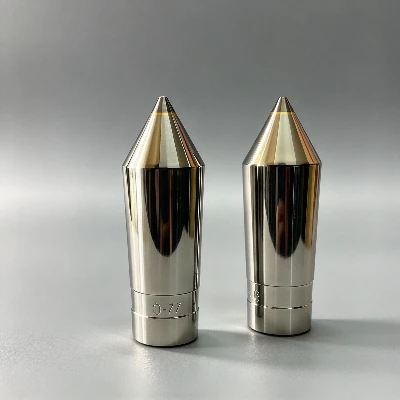
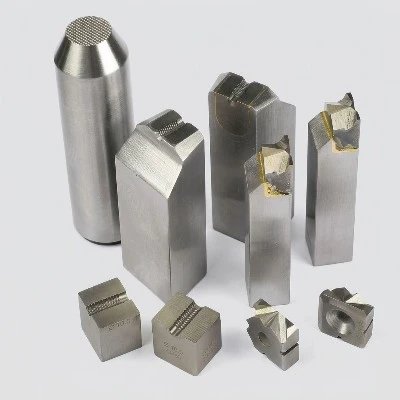
Our extrusion tooling capabilities support application-specific discussions around die configuration, product geometry, and operating requirements.
Relevant tooling: Extrusion Tips and Dies.
Surface Finishing and Dimensional Correction
Challenge:
Achieving the required component dimensions and surface condition through controlled material removal.
Shaving operations require appropriate cutting geometry, clearance, workpiece alignment, and tooling condition. These factors influence the amount of material removed and the consistency of the finished component.
We assess shaving die requirements according to component drawings, workpiece material, dimensional tolerances, and the intended finishing process.
Relevant tooling: Shaving Dies.
Rolling and Repeated Profile Formation
Challenge:
Maintaining groove geometry and workpiece profile consistency throughout repeated rolling operations.
Roll groove design, workpiece material, equipment alignment, and forming conditions influence the resulting profile and wear pattern. For recurring production, the tooling specification must correspond to both the required product geometry and the operating process.
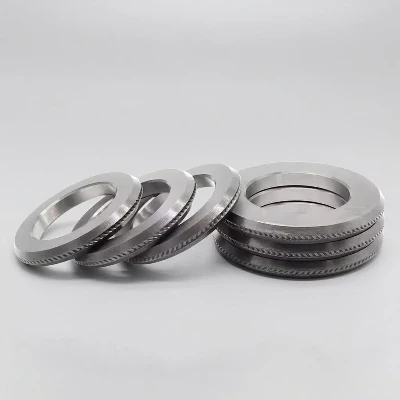
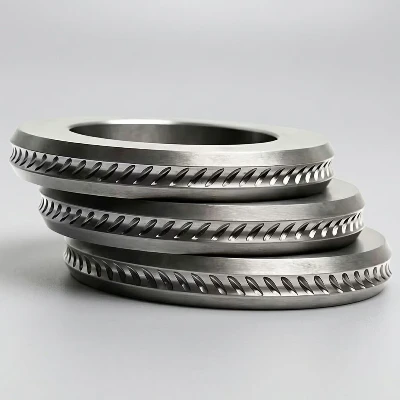
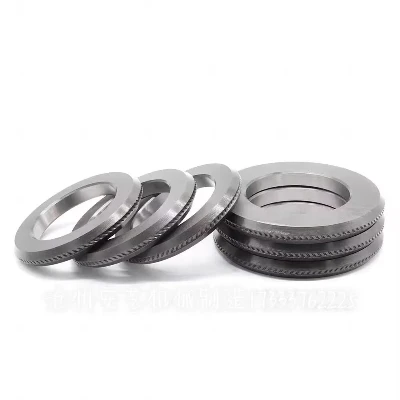
Our grooved carbide roll solutions are intended for manufacturers that need application-specific rolling tooling based on profile drawings and machine requirements.
Relevant tooling: Grooved Carbide Rolls.
Nail Manufacturing and Repetitive Forming
Challenge:
Maintaining consistent nail geometry while managing wear in repeated forming cycles.
Nail production places recurring mechanical loads on forming tools. Die geometry, workpiece material, machine compatibility, and operating conditions all affect the finished product and tooling performance.
We assess nail die requirements according to nail dimensions, production equipment, material specifications, and the forming operation involved.
Relevant tooling: Carbide Nail Dies.
Cold Heading and Fastener Production
Challenge:
Forming metal blanks into defined component geometries under repeated compressive loads.
Cold heading dies must accommodate the part design, material properties, forming sequence, machine capacity, and required production output. These factors influence tooling design, wear behavior, and finished-part consistency.
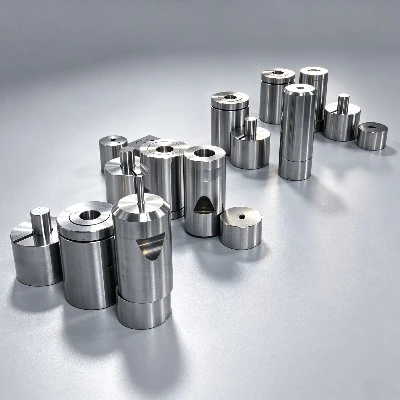
Our cold heading tooling solutions begin with the component drawing and forming process, allowing the relevant die requirements to be identified before quotation.
Relevant tooling: Cold Heading Dies.
How We Approach Carbide Tooling Solutions
A tooling solution should be based on actual production requirements rather than product names alone. Our approach focuses on understanding the application before confirming the tooling specification.
1. Understand Your Manufacturing Process
We begin by identifying the product being manufactured, the forming or drawing process, the workpiece material, and the production equipment.
Useful information includes:
- Workpiece material and incoming dimensions
- Finished product drawing and dimensional tolerances
- Manufacturing process and forming sequence
- Machine model and tooling installation dimensions
- Current production issues, where applicable
2. Define the Tooling Requirements
Based on the available technical information, the relevant tooling category and design requirements can be evaluated. These may include die geometry, profile dimensions, carbide material requirements, working-surface characteristics, and equipment compatibility. For customized tooling, a dimensioned drawing or sample can help clarify the required geometry and tolerances.
3. Consider Wear and Service Life
Tooling wear is affected by the workpiece material, friction, forming load, process settings, lubrication, and maintenance. We consider these operating factors when discussing carbide tooling requirements.
Our company reports that carbide dies can achieve more than 300 times the service life of high-speed steel dies in applicable applications. Actual results depend on the die type and operating conditions, so application-specific comparisons are recommended.
4. Evaluate Repair and Reuse Options
For selected carbide dies, repair and reuse may be possible depending on the die structure, wear condition, and remaining usable material.
When evaluating a tooling requirement, it can be useful to consider not only the initial purchase price but also replacement frequency, repair feasibility, downtime, and tooling consumption over the production cycle.
5. Confirm Technical Details Before Ordering
Before an order is finalized, the tooling type, dimensions, drawing revision, quantity, and relevant application requirements should be clarified. This helps reduce specification gaps and supports more effective communication between the manufacturer and buyer.
Why Manufacturers Work With Us
Manufacturing Experience Since 1962
Our company has been manufacturing carbide dies and industrial tooling since 1962. Decades of production experience provide a foundation for understanding different tooling categories and metalworking applications.
Broad Tooling Coverage
With more than 30 product categories and over 500 varieties, we cover tooling requirements across wire drawing, shaped profile production, extrusion, shaving, rolling, nail manufacturing, and cold heading. This range enables customers to discuss multiple related tooling requirements with one manufacturer, subject to product specifications and manufacturing capability.
Manufacturing Resources
Our manufacturing facility covers approximately 4,000 m², supported by a workforce of 280 employees, including engineers and technical personnel. These resources support the production of a broad range of carbide dies and the coordination of application-specific requirements.
Service-Life and Repair Considerations
Our carbide tooling is designed for wear-resistant industrial applications. Selected dies can be repaired and reused, depending on their condition and design. For customers evaluating tooling alternatives, service life, repair feasibility, replacement frequency, and production conditions are important factors to discuss alongside unit price.
Experience Serving Overseas Markets
Our company has exported products to markets including Singapore, Malaysia, Indonesia, and Hong Kong. This export experience provides a foundation for communicating with international buyers about tooling specifications and order requirements.
Carbide Tooling Solutions for Your Application
Every production process has its own requirements. The most useful starting point is a clear understanding of the workpiece, manufacturing method, and tooling challenge.
We welcome inquiries from manufacturers, tooling distributors, and industrial buyers seeking carbide tooling for wire drawing, profile forming, extrusion, shaving, rolling, nail production, and cold heading.
To help us evaluate your requirements, please provide:
- Application: What component or product are you manufacturing?
- Material: What material is being processed?
- Process: Which drawing, forming, extrusion, or rolling method is used?
- Dimensions: Do you have a drawing, sample, or dimensional specification?
- Current challenge: Are you addressing die wear, dimensional variation, surface quality, replacement frequency, or another production issue?
Our team can review the available information, clarify missing details, and discuss the relevant tooling options.
Frequently Asked Questions
What information do you need to recommend a carbide tooling solution?
The most useful starting information is the workpiece material, product drawing, incoming and finished dimensions, manufacturing process, and machine specifications. If you are replacing an existing die, information about its current performance and wear condition is also helpful.
Can you support customized tooling requirements?
Customized tooling requirements can be evaluated using technical drawings, samples, dimensions, and process information. Feasibility depends on the required design and manufacturing specifications.
How can carbide tooling help reduce production costs?
Carbide tooling may help reduce tooling consumption and replacement frequency in suitable applications. The overall cost impact also depends on initial tooling cost, actual service life, repair options, downtime, and finished-product consistency.
Can worn carbide dies be repaired?
Selected dies can be repaired and reused. The feasibility and expected performance after repair depend on the tooling design, damage, wear condition, and remaining material.
Which manufacturing processes do you support?
Our product range covers wire drawing, shaped wire drawing, metal extrusion, shaving, grooved rolling, nail manufacturing, and cold heading. The suitability of a specific tooling solution depends on the application and technical requirements.
How do I request a quotation?
Send us your application details, drawing or dimensions, workpiece material, required quantity, and available machine information. If you do not have a complete technical specification, begin with the information available so that the missing requirements can be identified.
Discuss Your Carbide Tooling Requirements
Looking for a carbide tooling manufacturer that understands your metalworking process?
Hejian Strains Of Hard Alloy Mould Co., Ltd. has manufactured carbide dies since 1962, with a broad range of tooling for wire drawing, profile forming, extrusion, rolling, and metal forming applications.
Share your production requirements and technical drawings to start a discussion about the tooling options relevant to your application.
Contact our team to discuss your tooling requirements and request a quotation.