
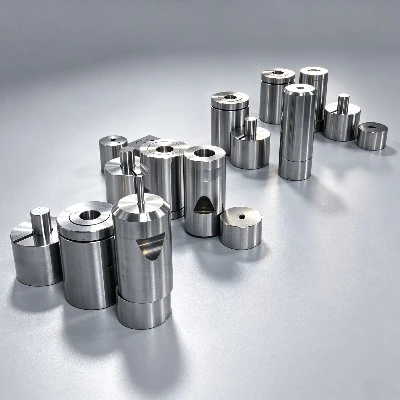


PCD Core Structure and Wire Drawing Die Design
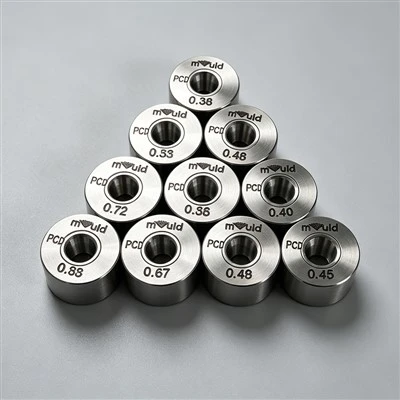
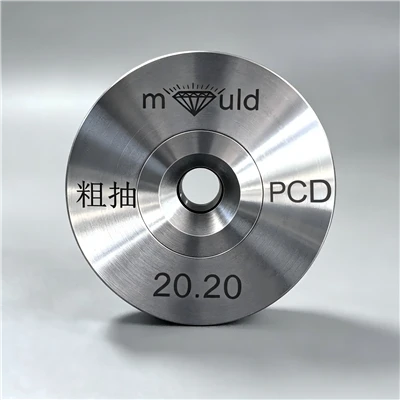
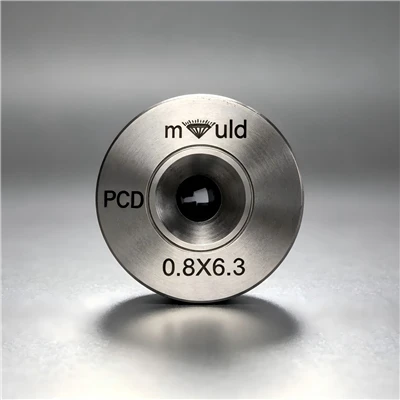
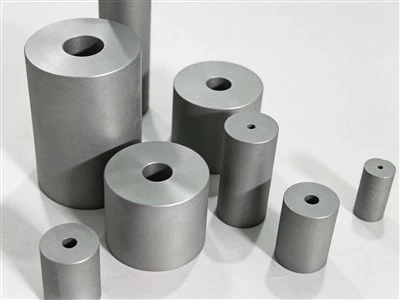
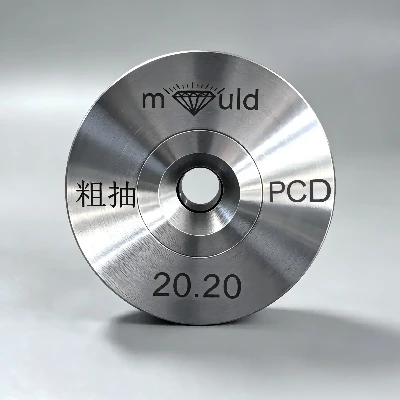
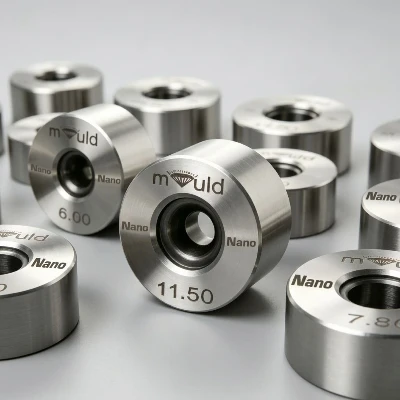
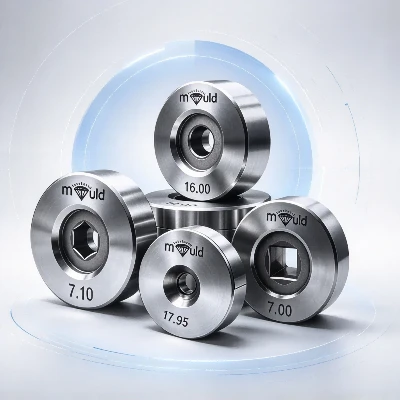
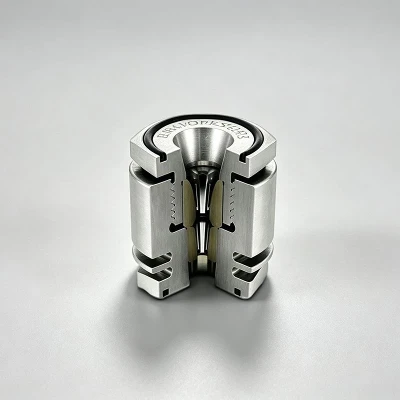
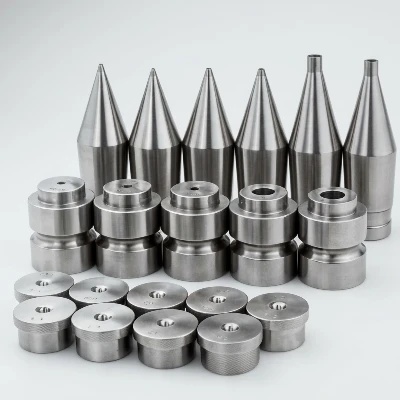
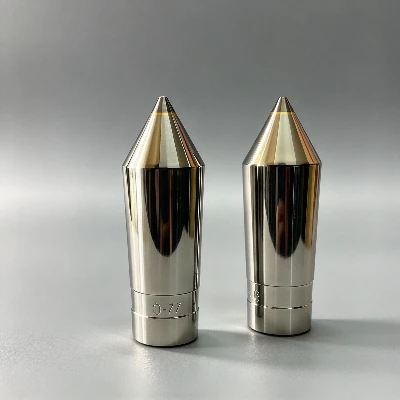
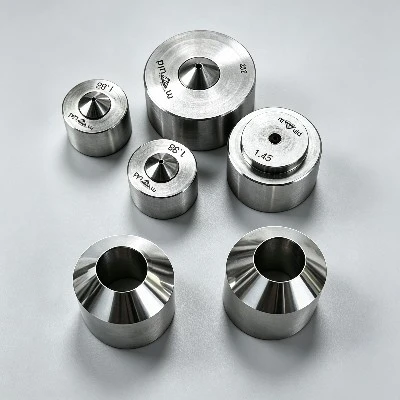
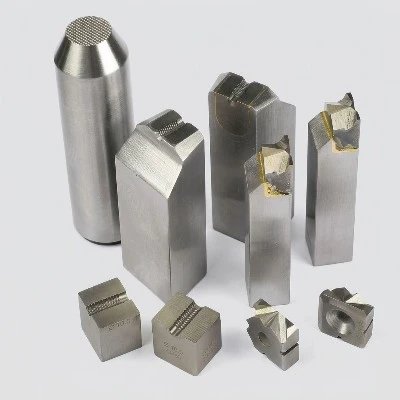
A PCD wire drawing die generally consists of a polycrystalline diamond core and a supporting die body. The PCD core provides the working surface through which the wire passes, while the surrounding support structure holds the core in position during drawing operations.
The main structural components include:
- PCD Core: The diamond-based working component that forms the internal drawing passage and contacts the moving wire.
- Support Body: Provides mechanical support for the PCD core and helps maintain its position during operation.
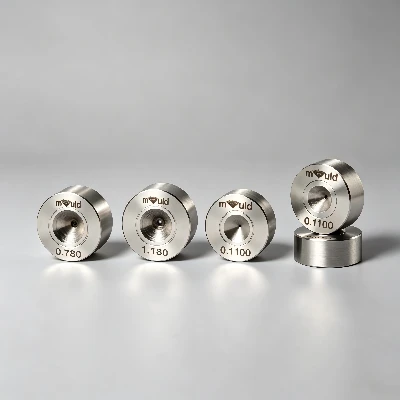
- Die Bore: Contains the internal drawing profile, including the entry, reduction, bearing, and exit sections.
- Die Holder Interface: Provides the external dimensions required for installation in compatible wire drawing equipment.
The interface between the PCD core and its supporting body is an important part of die design. Core positioning, support conditions, and bore alignment need to be considered together to maintain the intended wire path during drawing.
Die Bore Geometry for Controlled Wire Diameter Reduction
Polycrystalline Diamond Wear Resistance
PCD consists of interconnected diamond grains, creating a polycrystalline structure with high hardness and resistance to abrasive wear.
Working Surface Stability
The PCD core provides a wear-resistant surface for the wire reduction process. Maintaining the bore profile is important because changes in the reduction or bearing sections can affect the dimensions and surface condition of the finished wire.
Thermal and Mechanical Considerations
Wire drawing generates heat through deformation and friction at the die-wire interface.
Application-Specific Die Configuration
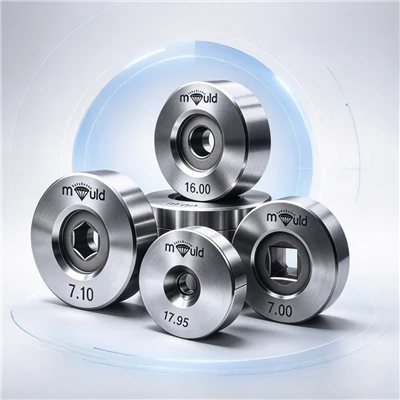
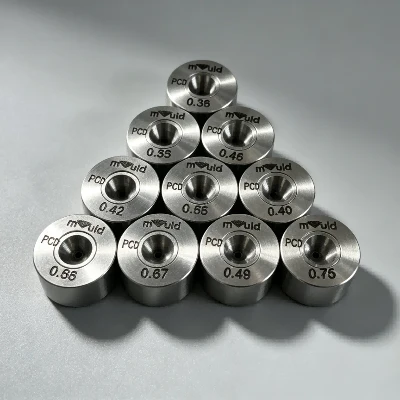
Different wire materials and drawing schedules require different bore geometries.
PCD Wire Dies for Copper, Aluminum and Metal Wire Processing
Copper Wire Drawing
Used in copper wire manufacturing for electrical conductors, communication cables, and cable components. Die selection should consider copper grade, incoming wire size, target diameter, and lubrication conditions.
Aluminum Wire Processing
Applied in aluminum conductor and cable production. The die bore and drawing schedule need to accommodate the deformation characteristics of aluminum and the required finished wire dimensions.
Other Metal Wire Applications
PCD dies may also be evaluated for other wire drawing materials according to their hardness, deformation behavior, drawing force, and compatibility with the PCD grade.
PCD Wire Die Manufacturing and Quality Inspection
Manufacturing PCD wire dies involves processing the diamond core, preparing the supporting body, and machining the internal bore to the specified geometry. The core and support structure must be properly matched to maintain the working position of the drawing passage.
Quality inspection can focus on several technical areas:
- PCD Core Condition: Check the core for visible cracks, chipping, and surface defects.
- Bore Dimension: Measure the working diameter against the specified drawing.
- Bore Geometry: Inspect the reduction angle, bearing section, and internal profile.
- Surface Finish: Examine the bore surface for irregularities that may affect wire contact.
- Core Positioning: Check the alignment between the PCD core and the supporting die body.
- External Dimensions: Verify the die body's dimensions for installation compatibility.
These inspection items help confirm whether the finished die meets the dimensional and structural requirements of the intended drawing process.
FAQ
Q: What is the difference between PCD and tungsten carbide wire drawing dies?
A: PCD uses a polycrystalline diamond working core, while tungsten carbide dies use a cemented carbide working material. Their hardness, wear behavior, application conditions, and processing requirements differ. The appropriate option depends on wire material, diameter reduction, and production conditions.
Q: Can PCD wire dies be used for copper and aluminum wire?
A: Yes. PCD dies are used in copper and aluminum wire drawing applications. The core specification and bore geometry should be selected according to the wire material and drawing process.
Q: How should PCD wire dies be inspected during production?
A: Inspection should focus on bore diameter, bearing condition, internal surface finish, PCD core integrity, and finished wire dimensions. Inspection frequency should be adjusted according to production volume and operating conditions.
Hot Tags: pcd wire dies, China pcd wire dies manufacturers, suppliers, factory, pcd dies, PCD Drawing Dies, PCD Shaped Drawing Dies, PCD Wire Drawing Dies, PCD Wire Drawing Dies for Drawing Copper Wire