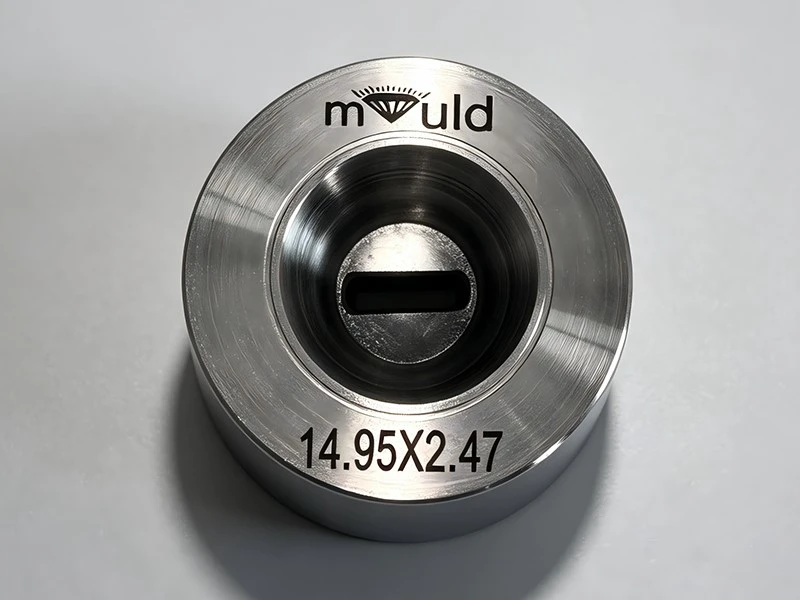
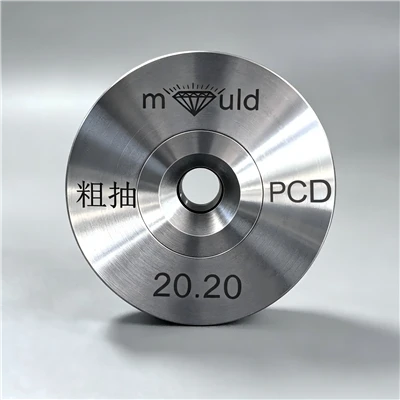
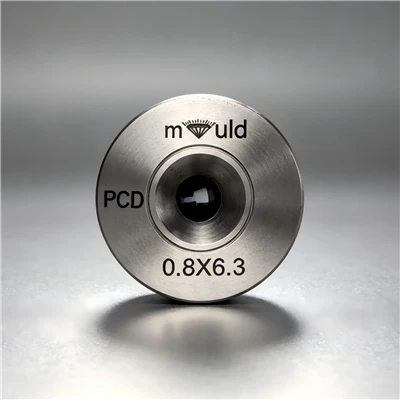
Threading irregularly shaped wire drawing dies requires specialized threading tools, generally of two types: manual and electric. Manual threading tools are portable and easy to operate, suitable for small dies, while electric threading tools are faster and suitable for large dies. When choosing a threading tool, the size and shape of the die, as well as the working environment, must be considered.
Precautions
Ensure a smooth and flat die surface. Before threading, ensure the die surface is smooth and flat, without obvious protrusions or depressions. If the die surface has obvious wear or defects, it needs to be repaired, otherwise it will affect the threading effect.
Choose the appropriate threading cutter. Different shapes of dies require different threading cutters. For irregularly shaped dies, a threading cutter that matches their shape should be selected to ensure accuracy and stability during threading.
Control the threading force. Control the threading force during threading to avoid excessive force that could damage the die. For dies made of special materials or with special shapes, it is recommended to test the threading first to determine the appropriate threading force.
Safety Precautions: Handle mold threading with care and pay attention to hand safety. Secure the mold during the threading process and wear gloves and safety goggles to prevent injury from tool slippage or other unexpected factors.