*Ranking without order
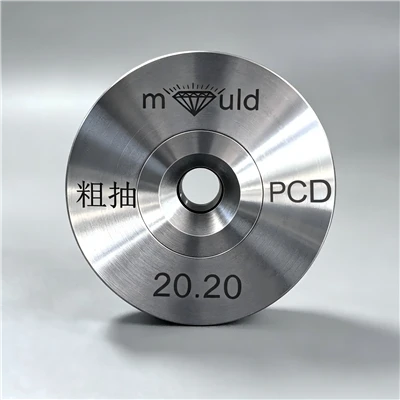
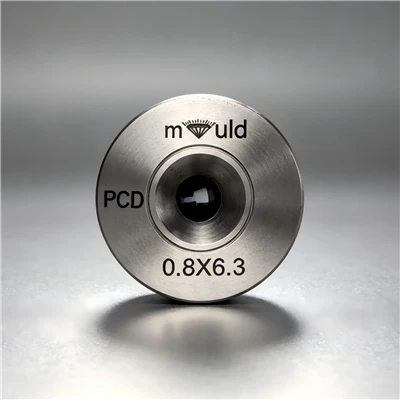
Shaped wire drawing dies are precision tooling components used to produce metal wires with non-round cross-sections. Unlike conventional round wire drawing dies, shaped dies are designed with specific internal profiles to form square, rectangular, flat, triangular, oval, or other customized wire shapes.
During the drawing process, the metal wire is pulled through the die under controlled tension. The material is reduced and formed at the same time, while the die controls the final cross-sectional dimensions. Because the die opening has a specific profile, its dimensional accuracy, corner geometry, surface finish, and wear resistance all affect the consistency of the finished wire.
Shaped wire is used in electrical conductors, motor and transformer components, springs, automotive parts, medical devices, aerospace components, fasteners, and other precision metal products. In these applications, the wire profile may need to meet specific dimensional tolerances so that it can fit into a subsequent assembly or manufacturing process.
For buyers, the main challenge is usually not finding a die with the correct basic size, but finding a manufacturer capable of producing and maintaining the required profile accurately. Die material, wire material, drawing reduction, production speed, lubrication, and equipment conditions all need to be considered together.
Top 10 Shaped Wire Drawing Dies Manufacturers
| Manufacturer | Country/Region | Main Focus |
|---|---|---|
| Hejian Strains Of Hard Alloy Mould Co.,Ltd | China | Hard alloy mould and customized drawing dies |
| Esteves Group | France | Diamond and carbide wire drawing tooling |
| Balloffet | France | Diamond wire drawing dies and precision tooling |
| Fort Wayne Wire Die, Inc. | USA | Wire drawing dies and customized tooling |
| Paramount Die Company | USA | Precision wire drawing dies |
| Rubis Precis | Switzerland | Diamond and precision wire dies |
| Sinter Sud | Italy | Carbide and diamond tooling |
| Ningbo Hantong Mould Co., Ltd. | China | Wire drawing dies and mould manufacturing |
| Zhuzhou Cemented Carbide Group Corp. | China | Cemented carbide materials and tooling |
| Central Wire Industries | Canada | Specialty wire manufacturing and custom wire solutions |
Hejian Strains Of Hard Alloy Mould Co.,Ltd
Hejian Strains Of Hard Alloy Mould Co.,Ltd is a manufacturer specializing in hard alloy mould production and industrial mould solutions. The company focuses on mould applications related to metal processing, including wire drawing and forming processes.
For shaped wire drawing, the internal profile of the die is particularly important because it determines the cross-sectional shape of the finished wire. A square, rectangular, flat, or specially designed profile requires controlled dimensions throughout the die opening. Corner areas also need suitable geometry and surface finishing to avoid excessive friction or uneven wear during production.
Hard alloy is an important material option for drawing dies because of its hardness and resistance to mechanical wear. The actual die specification, however, needs to correspond to the wire material and drawing conditions. Copper, aluminum, steel, and other metal wires can place different demands on the die during continuous processing.
The company focuses on customized mould manufacturing according to customer specifications. This type of production is relevant to shaped wire applications because many industrial wires are made according to drawings rather than standard round-wire dimensions.

The company focuses on customized mould manufacturing according to customer specifications. This type of production is relevant to shaped wire applications because many industrial wires are made according to drawings rather than standard round-wire dimensions.
Its manufacturing direction covers several areas:
- Hard alloy mould production for metal processing
- Precision processing of customized mould profiles
- Internal opening machining for shaped wire applications
- Customized production according to drawings and specifications
For shaped wire buyers, the die should be considered together with the drawing equipment and wire production process. The initial wire size, finished profile, reduction per pass, drawing speed, lubrication, and required tolerance can all affect the die specification.
Hejian Strains Of Hard Alloy Mould Co.,Ltd provides a manufacturing approach centered on hard alloy mould processing and customized industrial mould requirements. For buyers working with special wire profiles, discussing the actual drawing conditions with the manufacturer before production can help determine a more appropriate die structure and material.
Esteves Group
Esteves Group is an international manufacturer of wire drawing dies and related tooling. Its business covers precision tooling for wire and cable manufacturing, with experience in diamond and carbide die technologies.
The company works with different wire processing requirements where dimensional control and die wear are important production considerations. Its manufacturing background makes it relevant to applications involving precision and specialized wire profiles.
Balloffet
Balloffet is a French manufacturer known for precision wire drawing dies and tooling. Its manufacturing activities include diamond-based drawing solutions for wire processing applications.
The company has experience serving wire manufacturers where profile accuracy, surface condition, and consistent drawing performance are important. Its die technology is used across different precision wire applications.
Fort Wayne Wire Die, Inc.
Fort Wayne Wire Die, Inc. is a US-based manufacturer of wire drawing dies and related tooling. The company focuses on dies for industrial wire production and provides customized tooling for different drawing requirements.
Its manufacturing experience covers applications where wire dimensions, die geometry, and production conditions need to be considered together.
Paramount Die Company
Paramount Die Company specializes in wire drawing die manufacturing and precision tooling. The company works with industrial customers requiring controlled wire dimensions and consistent drawing processes.
Its manufacturing focus includes customized die requirements for different wire materials, sizes, and production applications.
Rubis Precis
Rubis Precis is a precision tooling manufacturer with a focus on diamond-based products and wire drawing applications. The company serves industries where close dimensional control and fine surface finishing are required.
Its experience is particularly relevant to precision wire processing and applications requiring specialized tooling configurations.
Sinter Sud
Sinter Sud focuses on sintered carbide and diamond tooling for industrial applications. Its manufacturing activities cover wear-resistant tooling components used in metal processing.
The company's material and tooling expertise is relevant to wire drawing applications where die hardness, wear resistance, and dimensional stability are important.
Ningbo Hantong Mould Co., Ltd.
Ningbo Hantong Mould Co., Ltd. is engaged in wire drawing die and mould manufacturing. The company provides tooling for industrial wire processing and customized mould requirements.
Its manufacturing direction is suitable for buyers looking for drawing dies produced according to specific wire dimensions and application conditions.
Zhuzhou Cemented Carbide Group Corp.
Zhuzhou Cemented Carbide Group Corp. focuses on cemented carbide materials and carbide tooling for industrial applications. Its manufacturing background covers carbide products used in environments involving wear and mechanical contact.
For wire drawing applications, cemented carbide provides a material base for tooling where hardness and resistance to repeated wear are required.
Central Wire Industries
Central Wire Industries is a specialty wire manufacturer serving industrial customers with different wire specifications and application requirements.
Its experience is centered on specialty wire production rather than only standard wire products. This makes the company relevant when considering shaped wire manufacturing from the finished-wire application side.
What Makes Shaped Wire Drawing Different from Round Wire Drawing?
The main difference is the geometry of the die opening and the resulting wire profile. A round drawing die has a circular opening, while a shaped drawing die contains a specifically engineered profile.
For shaped wire, the die must control more than the overall cross-sectional area. The manufacturer may also need to control:
- Width and thickness
- Corner radius
- Flatness
- Symmetry
- Profile dimensions
- Surface finish
During production, uneven wear in one area of the die can gradually change the wire profile. This is why die geometry and material selection become particularly important when tight profile tolerances are required.
The drawing process may also involve multiple passes rather than producing the final shape in one operation. The number of passes and reduction at each stage depend on the starting wire, target dimensions, material characteristics, and production equipment.
Which Materials Are Used for Shaped Wire Drawing Dies?
Die material needs to match both the wire material and the production conditions. Tungsten carbide, PCD, and natural diamond are common material choices, but they serve different production requirements.
| Die Material | Main Characteristics | Typical Considerations |
|---|---|---|
| Tungsten Carbide | Hard and wear-resistant | General industrial drawing |
| PCD | High wear resistance and long working cycles | Higher-speed or demanding production |
| Natural Diamond | Very high hardness and fine finishing capability | Fine and precision wire |
| Carbide-Based Materials | Suitable for repeated mechanical contact | Industrial profile drawing |
For shaped dies, material selection is not simply a question of hardness. The die must also be manufactured into the required profile and finished accurately. A harder die does not automatically compensate for an unsuitable profile design or poor drawing conditions.
How Is a Shaped Wire Drawing Die Manufactured?
Manufacturing a shaped die requires more profile control than a conventional round die. The process begins with selecting a die material suitable for the intended wire and production environment.
The die blank is then processed to create the required internal geometry. Depending on the material and tooling structure, manufacturers may use precision machining, grinding, electrical discharge machining, laser processing, or other specialized methods.
The internal profile is subsequently finished and polished. This stage is important because rough or irregular areas can increase friction and affect the surface of the drawn wire.
Inspection focuses on both dimensional accuracy and profile geometry. Depending on the application, manufacturers may check the opening dimensions, corner areas, symmetry, surface condition, and other specified tolerances.
For customized shaped wire dies, customer drawings or detailed dimensional information are particularly useful. The more precise the wire profile requirement, the more important it is to establish the dimensional reference and tolerance before manufacturing.
Conclusion
Shaped wire drawing dies are designed for applications where standard round wire is not sufficient. Their internal profile determines the shape of the finished wire, while die material, surface finish, drawing conditions, and manufacturing accuracy influence production stability.
For buyers, the selection process should begin with the actual wire requirements rather than the die name alone. Wire material, starting dimensions, final profile, tolerance, drawing speed, equipment, and lubrication conditions provide the technical basis for choosing the appropriate die.
The 10 manufacturers listed above represent different manufacturing backgrounds in wire drawing dies, precision tooling, carbide materials, diamond tooling, and specialty wire production. Since the ranking is without order, buyers can use the list as a starting point for comparing manufacturing capabilities, customization experience, material options, and production requirements.