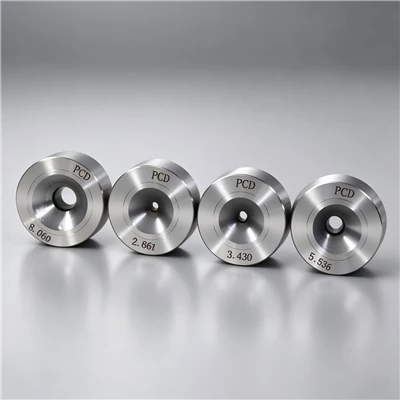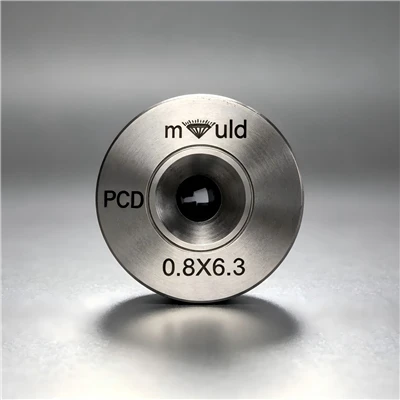

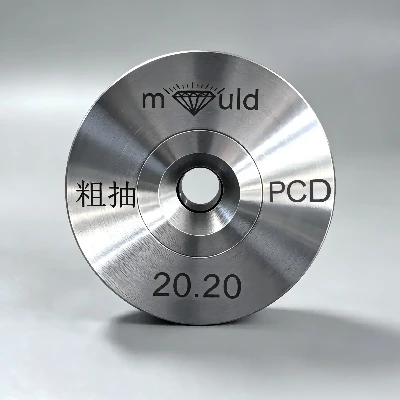
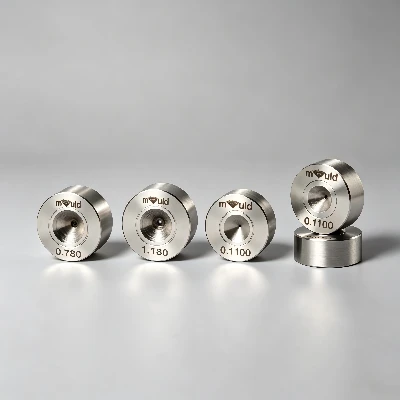
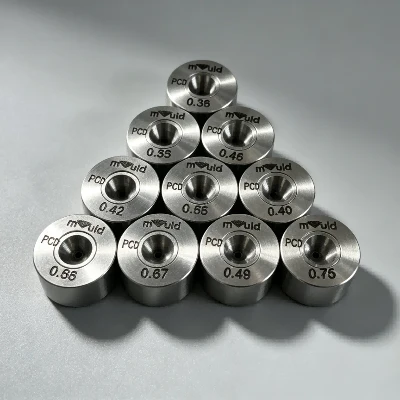
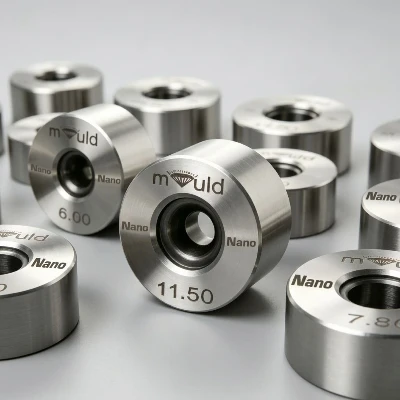
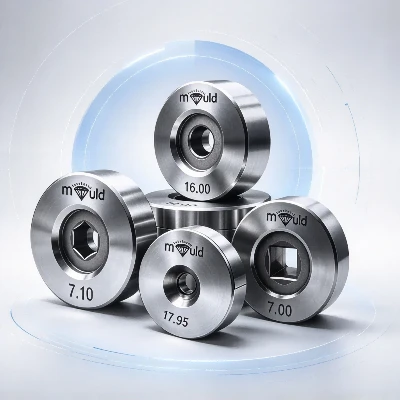
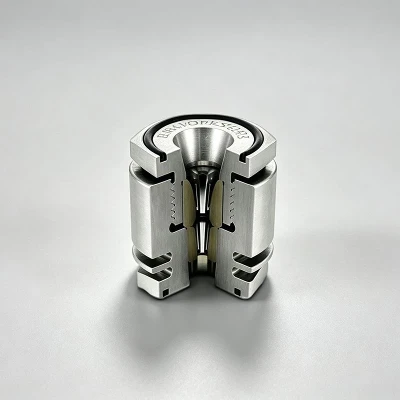
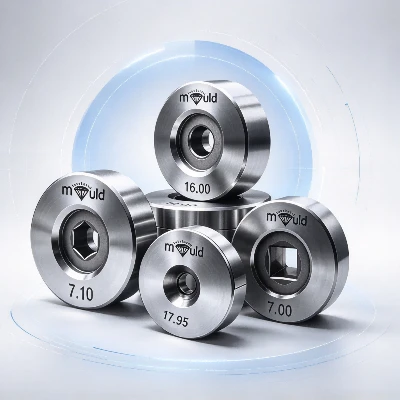
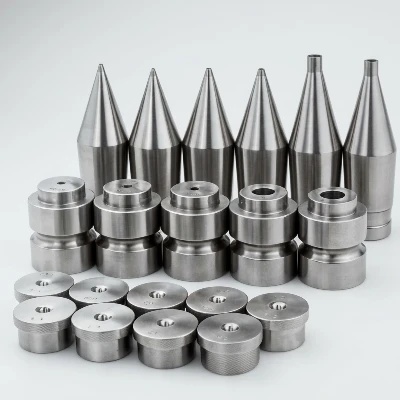
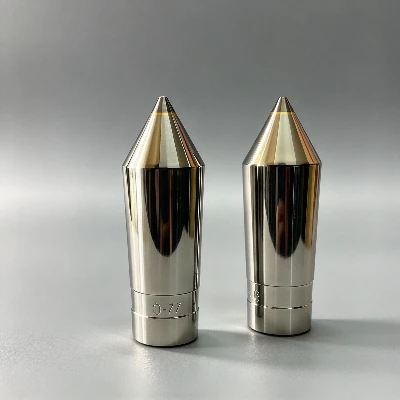
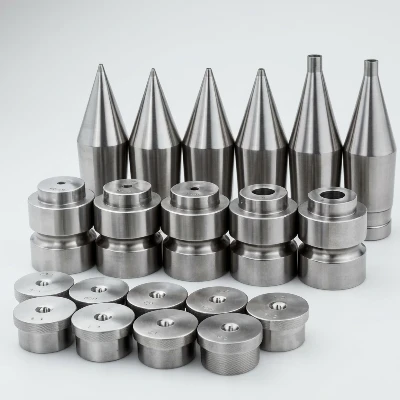
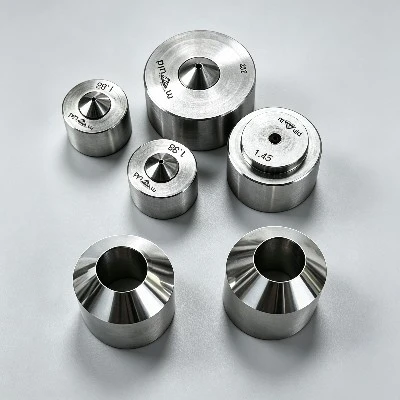
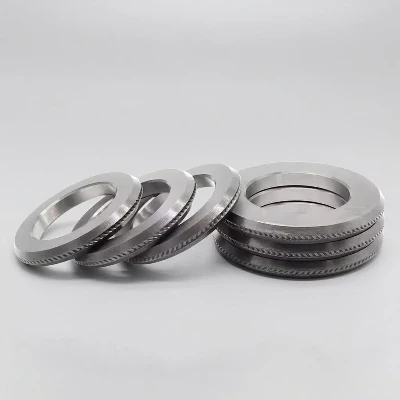
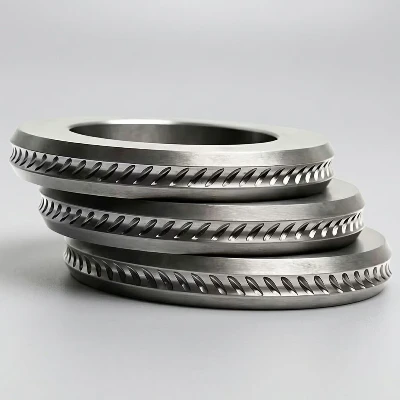
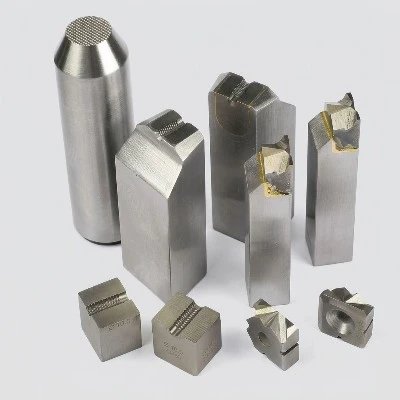
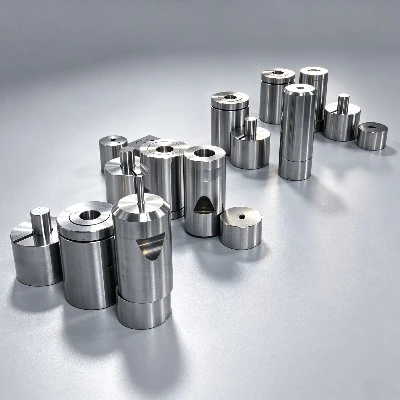


Extrusion Tips Features

1. Precision Tooling Geometry
- Customized inlet, bore, and outlet dimensions.
- Accurate alignment with extrusion dies and mandrel assemblies.
- Smooth working surfaces to reduce friction and localized wear.
- Custom profiles and mounting structures based on machine requirements.
2. Wear-Resistant Materials
- Tungsten carbide for high-wear tooling applications.
- H13 and H11 hot-work tool steel for aluminum extrusion components.
- Hardened alloy steel for general extrusion tooling.
- Stainless steel for selected wire and cable processing applications.
3. Customized Manufacturing
- Different bore diameters and outlet openings.
- Customized tip length, taper angle, and internal passage.
- Replaceable insert or integrated tooling designs.
- Production according to technical drawings, samples, or existing components.
Technical Specifications
Final material grades, dimensions, hardness, and tolerances are confirmed according to the tooling design and production requirements.
Main Applications
Extrusion Tip Design for Different Applications
Aluminum Extrusion Tooling
For aluminum profile manufacturing, extrusion tips and related tooling components must withstand high temperatures and forming pressure. Their geometry needs to match the profile cross-section and the complete die assembly.
H13 and H11 hot-work tool steels are commonly considered for aluminum extrusion tooling. Depending on the design, components may require heat treatment, nitriding, precision grinding, and dimensional correction to maintain working accuracy.
Wire and Cable Extrusion
In wire coating production, the extrusion tip guides the conductor through the tooling assembly while the surrounding die controls the coating geometry. The bore diameter, tip-to-die alignment, and outlet dimensions influence insulation thickness and concentricity.
These components can be customized for electrical wire insulation, communication cables, automotive wiring, and industrial cable production.

Manufacturing and Quality Control
Each custom tooling component can follow a controlled manufacturing process:
Drawing Review
Confirm dimensions, machine connections, and working geometry.
Material Selection
Choose tool steel, tungsten carbide, or other suitable materials according to operating conditions.
Precision Machining
Use CNC machining, EDM, drilling, and grinding to produce the required geometry.
Heat and Surface Treatment
Apply suitable heat treatment, nitriding, or polishing where required.
Dimensional Inspection
Check bore diameter, concentricity, mounting dimensions, and surface finish.
Advantages of Customized Extrusion Tooling
- Application-Specific Geometry: Designed for aluminum profile forming or wire coating requirements.
- Material Options: Different steel and carbide grades for temperature resistance, strength, and wear control.
- Precision Bore Machining: Critical internal dimensions are manufactured according to technical drawings.
- Flexible Tooling Structures: Supports extrusion tips, mandrel tips, carbide inserts, and wire coating components.
- Drawing-Based Production: Custom manufacturing is available based on samples, drawings, and existing tooling specifications.
Custom Extrusion Tip Manufacturing
Whether you require an aluminum extrusion die tip, extrusion mandrel tip, carbide tooling insert, or wire coating tip, the component design should match your machine configuration and production requirements.
Hot Tags: extrusion tip, China extrusion tip manufacturers, suppliers, factory, Cable Extrusion Tip, extrusion tip, extrusion tips, extrusion tips and dies, Wire Extrusion Tips